
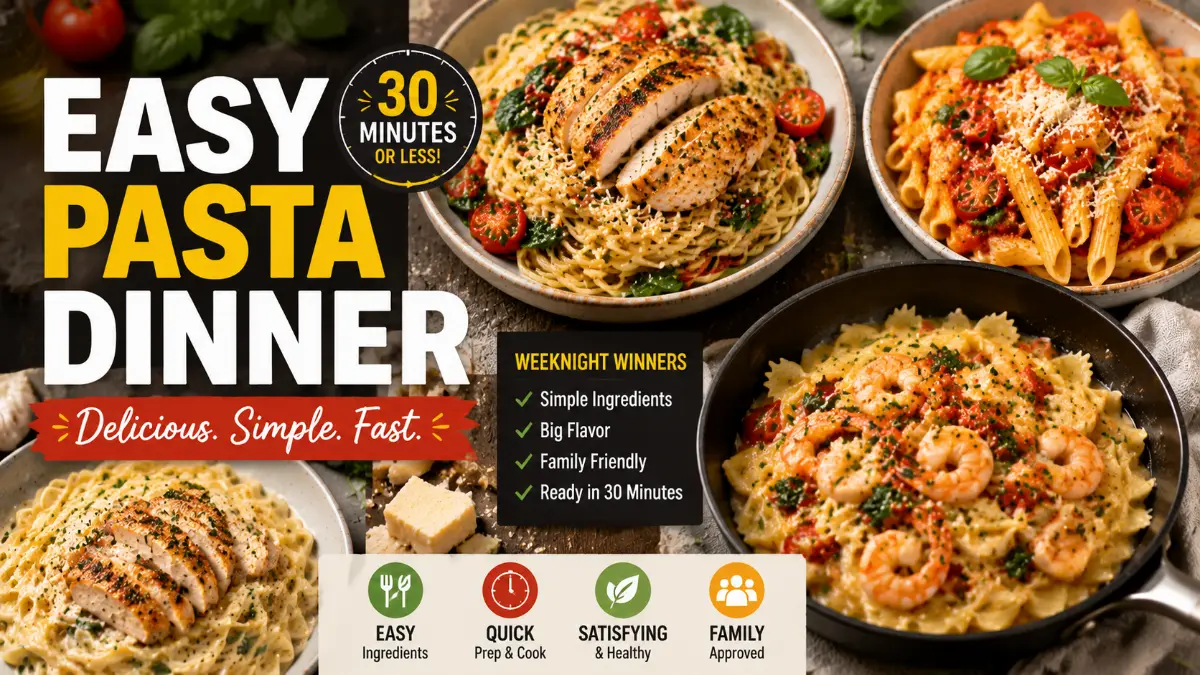
An easy pasta dinner does not have to mean making the same spaghetti with tomato sauce every week. The real challenge for many home cooks is not finding one quick pasta recipe-it is building a meal routine that stays interesting, balanced, and simple enough to follow during busy weeks.
A smart pasta rotation solves that problem by organizing meals around different flavors, ingredients, and cooking styles. Instead of choosing randomly from dozens of recipes, you can create a weekly system that includes vegetarian pasta, protein-rich meals, seafood options, creamy dishes, and lighter recipes.
This approach makes easy pasta dinner recipes more practical because you are planning variety, not just speed. With the right rotation, pasta becomes a flexible dinner solution that works for families, couples, and anyone who wants reliable weeknight meals without complicated preparation.
Why a Pasta Dinner Rotation Works Better Than Random Recipes
Many people collect recipes but still struggle with dinner decisions. The problem is usually not a lack of ideas, it is having too many choices without a clear system. A weekly pasta rotation makes meal planning easier because it creates categories. Instead of asking:
“What pasta should I cook tonight?”
you ask:
“Which type of pasta meal fits today’s schedule?”
This small change reduces decision fatigue and helps prevent repeating the same flavors too often.
A balanced rotation can include:
- Vegetarian pasta for lighter nights
- Protein-based pasta for filling meals
- Seafood pasta for quick cooking
- Creamy pasta for comfort meals
- Tomato-based pasta for reliable family dinners
By changing the category, sauce style, and ingredients, the same basic pasta foundation can create completely different meals.
How to Build an Easy Pasta Dinner Rotation
A successful rotation starts with organizing meals by purpose rather than by individual recipes. The easiest system is to divide pasta dinners into a few major groups and rotate between them throughout the week.
Also Read: wendy’s breakfast Menu 2026: Prices, Hours, Deals, Calories, and Best Items
Vegetarian Pasta Nights
Vegetarian pasta meals are useful because they are usually affordable, flexible, and easy to customize. They can rely on vegetables, cheese, herbs, and pantry ingredients while still feeling complete. These meals work especially well on busy days when you want something flavorful without extra preparation.
Pesto Pasta With Green Beans and Potatoes
Pesto pasta becomes more satisfying when combined with vegetables that add texture and substance.
A traditional-style combination includes:
- Pasta
- Basil pesto
- Green beans
- Potatoes
- Parmesan cheese
The vegetables can cook alongside the pasta, reducing the number of dishes needed. The pesto adds freshness while the vegetables make the meal more filling. For a faster version, store-bought pesto works well with whatever vegetables you already have available.
Baked Feta and Cherry Tomato Pasta
Baked feta pasta is popular because it creates a creamy sauce with minimal hands-on cooking.
The basic method includes:
- Roast feta cheese with cherry tomatoes, garlic, and olive oil.
- Cook pasta separately.
- Mix the softened cheese and tomatoes into a sauce.
- Combine with pasta.
The result is a rich pasta dish that requires very little active cooking.
Mushroom and Garlic Pasta
Mushrooms are excellent for vegetarian pasta because they add a savory, rich flavor.
A simple mushroom pasta uses:
- Sliced mushrooms
- Garlic
- Butter or olive oil
- Parmesan
- Pasta water
The key step is allowing mushrooms to brown properly. Cooking them until they release moisture and develop color creates a deeper flavor than simply warming them.
Protein-Based Pasta Nights
Protein-forward pasta meals are ideal when you want a more filling dinner. Adding chicken, sausage, seafood, or other proteins turns a simple pasta dish into a complete meal. These options are especially useful for families or people who need meals that provide longer-lasting satisfaction.
Sausage and Spinach Skillet Pasta
Sausage adds flavor quickly because it releases seasoned fat during cooking.
A simple method:
- Brown sausage in a skillet.
- Add garlic and seasonings.
- Add cooking liquid and pasta.
- Simmer until tender.
- Stir in spinach near the end.
The sausage creates the foundation of the sauce while the spinach adds freshness.
Read More: What Is Fruit Riot? A Complete Look at the Viral Frozen Fruit Candy
Creamy Chicken Pasta
Creamy chicken pasta is a classic comfort meal that works well for weekends or evenings when you want something richer.
Common ingredients include:
- Chicken
- Pasta
- Cream-based sauce
- Garlic
- Parmesan
- Herbs
To keep the dish balanced, add vegetables such as spinach, mushrooms, or broccoli.
Bolognese-Style Ground Beef Pasta
A slow-simmered meat sauce is traditionally more time-intensive, but a quicker home version can still deliver rich flavor.
A practical weeknight approach uses:
- Ground beef
- Tomato sauce
- Garlic
- Onion
- Italian herbs
Making extra sauce is useful because it can be stored and reused later in the week.
Seafood Pasta Nights
Seafood pasta is a great addition to a weekly rotation because many seafood ingredients cook quickly. These meals often feel special while requiring less time than many meat-based recipes.
Garlic Shrimp Pasta
Shrimp is one of the fastest proteins for pasta because it cooks quickly.
A simple garlic shrimp pasta includes:
- Shrimp
- Garlic
- Olive oil or butter
- Pasta
- Lemon
- Herbs
The shrimp should be added near the end of cooking to avoid becoming overcooked.
Lemon Garlic Salmon Pasta
Salmon adds richness while pairing well with lighter pasta sauces.
A simple version combines:
- Cooked salmon
- Pasta
- Lemon
- Butter or olive oil
- Fresh herbs
The lemon helps balance the richness of the salmon and creates a brighter dish.
Simplified Clam Pasta
A home-friendly clam pasta can use canned clams instead of fresh seafood.
The basic combination includes:
- Linguine
- Garlic
- Olive oil
- Canned clams
- Parsley
It provides seafood flavor while remaining practical for everyday cooking.
Sample Weekly Easy Pasta Dinner Rotation Plan
A good pasta rotation does not require cooking a completely different style every day. The goal is to balance flavors, ingredients, and cooking effort throughout the week.
Here is an example of a practical weekly plan:
Read More: Bonefish Grill: Menu, Prices, Locations, Hours & Reservations Guide
| Day | Pasta Style | Example Meal | Why It Works |
| Monday | Vegetarian | Mushroom and garlic pasta | Light start to the week with simple ingredients |
| Tuesday | Seafood | Garlic shrimp pasta | Fast cooking with fresh flavors |
| Wednesday | Protein-based | Sausage and spinach skillet pasta | More filling midweek meal |
| Thursday | Tomato-based | Bolognese-style pasta | Comforting and easy to prepare ahead |
| Friday | Creamy | Chicken parmesan pasta | A richer meal for the end of the week |
This schedule is only a framework. The main idea is to avoid placing similar meals next to each other. For example, following a creamy chicken pasta with another heavy cheese-based pasta can make the week feel repetitive. Alternating between lighter and richer meals creates better variety.
How to Keep Pasta Meals Interesting Every Week
The secret to avoiding repetitive pasta dinners is changing more than just the protein. A different sauce style, vegetable combination, or finishing ingredient can completely change the experience.
Change the Sauce Foundation
The sauce usually defines the personality of the dish.
Rotate between:
Tomato-Based Sauces
Best for:
- Ground meat
- Vegetables
- Beans
- Italian herbs
Examples:
- Marinara pasta
- Bolognese-style pasta
- Tomato basil pasta
Oil-Based Sauces
Best for:
- Seafood
- Vegetables
- Fresh herbs
Examples:
- Garlic and olive oil pasta
- Shrimp pasta
- Lemon herb pasta
Cream-Based Sauces
Best for:
- Chicken
- Mushrooms
- Cheese
- Spinach
Examples:
- Alfredo-style pasta
- Creamy chicken pasta
- Mushroom cream pasta
Pesto-Based Sauces
Best for:
- Vegetables
- Chicken
- Nuts
- Fresh ingredients
Examples:
- Pesto vegetable pasta
- Chicken pesto pasta
Changing the sauce category creates more variety than simply changing pasta shapes.
Smart Leftover Planning for Pasta Nights
A weekly pasta rotation becomes much easier when you plan for leftovers. Instead of cooking every meal from scratch, prepare components that can be reused.
Useful make-ahead options include:
- Tomato sauce
- Cooked chicken
- Roasted vegetables
- Prepared pesto
- Cooked proteins
For example:
A large batch of tomato sauce can become:
- Monday: Classic tomato pasta
- Thursday: Meat sauce pasta
- Weekend: Baked pasta casserole
This saves time while still making meals feel different.
Store Components Separately When Possible
Fully mixed pasta dishes often become softer after refrigeration because noodles continue absorbing sauce.
For better leftovers:
- Store sauce separately when possible.
- Reheat gently.
- Add a splash of water or sauce while warming.
- Finish with fresh herbs or cheese.
Small adjustments can make leftover pasta taste much closer to freshly prepared food.
Adjusting an Easy Pasta Dinner for Different Dietary Needs
A flexible pasta rotation works because recipes can usually be adapted without completely changing the dish.
Vegetarian Adjustments
Replace meat with:
- Mushrooms
- Beans
- Lentils
- Tofu
- Extra vegetables
These ingredients can add texture and make pasta more filling.
Higher-Protein Adjustments
Add:
- Chicken
- Shrimp
- Salmon
- Turkey
- Beans
Protein additions are especially useful when pasta is the main meal rather than a side dish.
Lighter Pasta Options
For a lighter dinner:
- Increase vegetables
- Use lighter sauces
- Add seafood
- Use smaller portions of richer ingredients
The goal is not to remove flavor but to create balance.
Common Pasta Rotation Mistakes to Avoid
A meal system only works when it stays practical. Avoid these common mistakes.
Choosing Only Similar Recipes
If every meal is:
- Creamy
- Cheese-heavy
- Meat-based
The rotation will quickly become boring. Balance rich meals with lighter options such as seafood, vegetables, or tomato-based dishes.
Planning Too Many Complicated Recipes
A weekly dinner system should reduce stress, not create more work.
Avoid filling your schedule with recipes that require:
- Many specialty ingredients
- Long preparation times
- Multiple cooking techniques
Keep some simple meals available for busy days.
Ignoring Your Pantry and Schedule
The best pasta rotation considers your real lifestyle. A seafood pasta may work well on a day when you have time to cook. A pantry tomato pasta may be better after a long workday. The best system is one you can actually maintain.
The Simple Formula Behind a Successful Pasta Rotation
A long-term pasta routine can be built using four questions:
1. What Is My Main Flavor?
Choose:
- Tomato
- Cream
- Oil and garlic
- Pesto
2. What Is My Main Ingredient?
Choose:
- Vegetables
- Chicken
- Seafood
- Meat
- Beans
3. How Much Time Do I Have?
Choose:
- 15-minute quick pasta
- 30-minute weeknight pasta
- Slow comfort pasta
4. What Finishes the Dish?
Add:
- Cheese
- Herbs
- Lemon
- Spice
- Crunchy toppings
Using this method means you do not need hundreds of recipes. You only need a reliable system that helps you create different combinations.
Frequently Asked Questions
How do I plan a week of easy pasta dinners without repeating the same meals?
The easiest approach is to rotate categories instead of individual recipes. Alternate between vegetarian, protein-based, seafood, tomato, and creamy pasta dishes so each meal has a different flavor profile.
How many times a week can pasta be part of dinner?
Pasta can be included multiple times per week as part of a varied meal plan. Changing sauces, proteins, and vegetables helps keep meals balanced and prevents repetition.
What is the fastest protein to add to pasta?
Shrimp is one of the quickest proteins for pasta because it cooks in only a short amount of time. Cooked chicken, canned tuna, and beans are also convenient options.
Can I make pasta rotation meals vegetarian?
Yes. Vegetarian pasta meals can be built around vegetables, mushrooms, beans, pesto, tomato sauces, and cheese-based recipes while still being satisfying.
How can I make pasta dinners healthier?
Add more vegetables, choose balanced portions, include protein sources, and use flavorful ingredients like herbs, spices, and fresh produce instead of relying only on rich sauces.
What vegetables work best in pasta dinners?
Vegetables such as mushrooms, spinach, broccoli, green beans, zucchini, and tomatoes work well because they combine easily with different sauces and pasta shapes.
Can frozen seafood be used for pasta recipes?
Yes. Frozen shrimp or seafood can work well, but proper thawing and draining help prevent excess water from affecting the sauce.
How do I stop cream-based pasta sauces from becoming too thick?
Add a small amount of reserved pasta water, milk, or broth while reheating or mixing. This helps loosen the sauce and restore a smoother texture.
What pasta shapes should I keep at home for regular dinners?
Keeping spaghetti and a short pasta shape such as penne or rigatoni provides flexibility because they work with many different sauce styles.
What makes an easy pasta dinner rotation successful?
A successful rotation combines variety, simple preparation, flexible ingredients, and realistic planning. The best system is one that makes dinner easier while still keeping meals enjoyable.
